
Argonne Collaborative Center for Energy Storage Science
Areas of Focus
ACCESSArgonne wields a comprehensive array of capabilities and facilities to address challenges at every link of the energy storage chain, from analysis of raw materials for impurities to battery end of life and recycling.
Earth-Abundant Energy Storage Technologies
The current portfolio of viable cathode materials for battery technologies is narrow and their reliance on critical materials, like cobalt and nickel, increases cost and susceptibility to supply chain risks. Argonne’s Materials Research Group is addressing these challenges through the advancement of novel, earth-abundant cathode materials that are energy dense, cost-effective, durable, and supply-chain resilient. Innovations include novel cathode structures, new processing methods, engineered particle architectures, robust surfaces, fundamental insights on the design and synthesis of cathode materials and more.
Material Discovery and Characterization
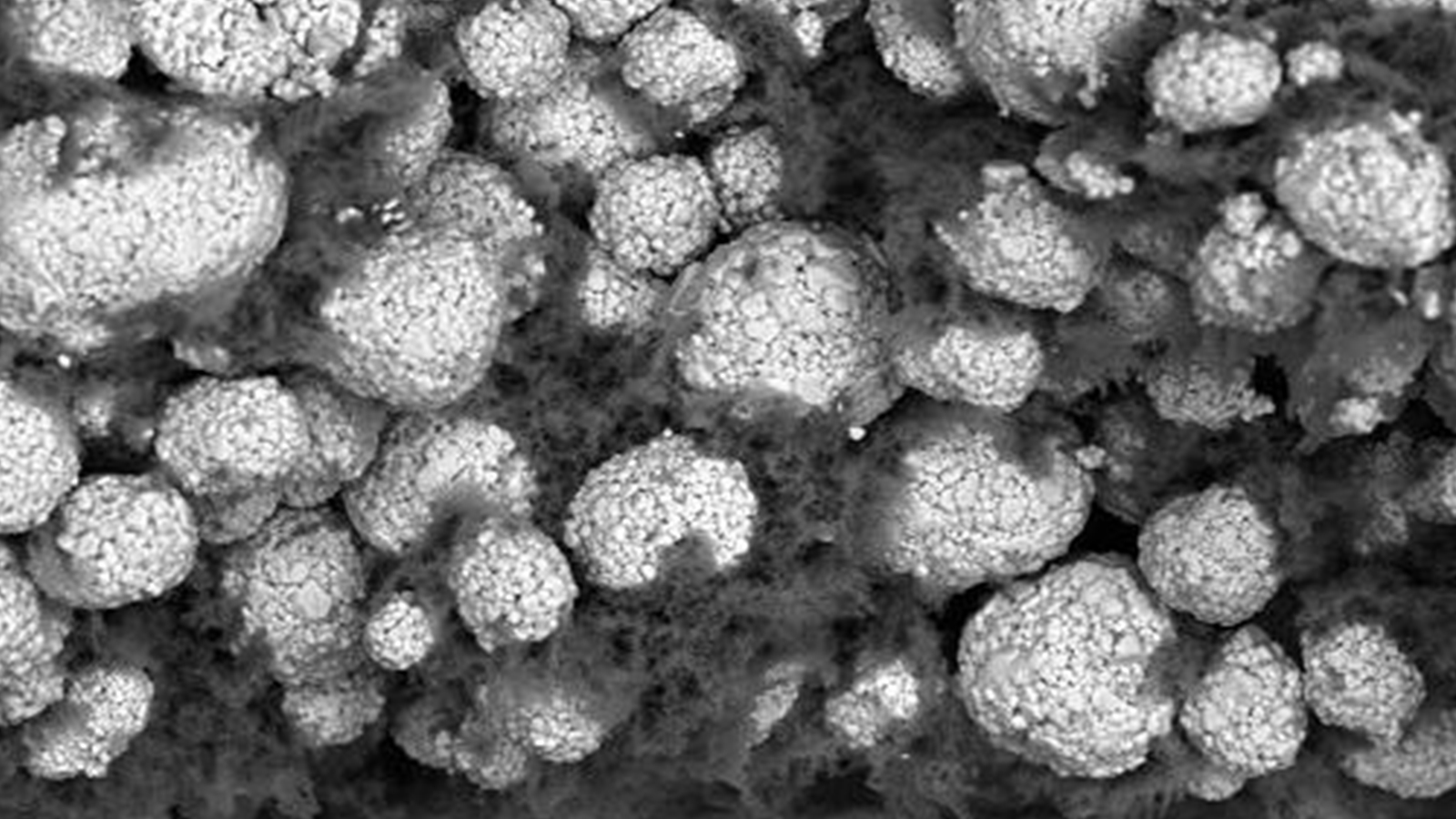
Argonne researchers design and synthesize candidate materials and assemble them into electrodes and test cells for characterization at a faster rate and greater depth than any other research institution in the world. Argonne has world-class facilities for material characterization, such as the Electrochemical Discovery Laboratory, Advanced Photon Source, and Center for Nanoscale Materials, where in-depth analysis is conducted before, during, and after the material has undergone cycling in test cells. Equally impressive are the capabilities for modeling to predict the properties of new or improved materials with extreme accuracy, which can be aided by the Argonne Leadership Computing Facility. These predictions then help to overcome materials shortcomings that arise throughout the discovery process.

Material Scale-Up and Device Integration
Once the most promising materials are identified, Argonne researchers optimize the synthesis process for scale-up to economical commercial production. Argonne’s Materials Engineering Research Facility enables the development of manufacturing processes to produce advanced battery materials for industrial testing.

Standardized Testing
Argonne researchers keep the discovery-to-industry pipeline moving by fabricating commercial-grade, prototype electrodes and battery cells in Argonne’s Cell Analysis, Modeling, and Prototyping facility, then testing the new materials in the Electrochemical Analysis and Diagnostics Laboratory. After standardized testing, the cell and electrodes are sent for advanced characterization and post-test analysis in Argonne’s Post-Test Facility, which entails dissecting, harvesting, and analyzing materials in an air-free environment. With knowledge of the causes of performance decline and/or failure, battery developers use this critical feedback to further improve batteries.
Recycling
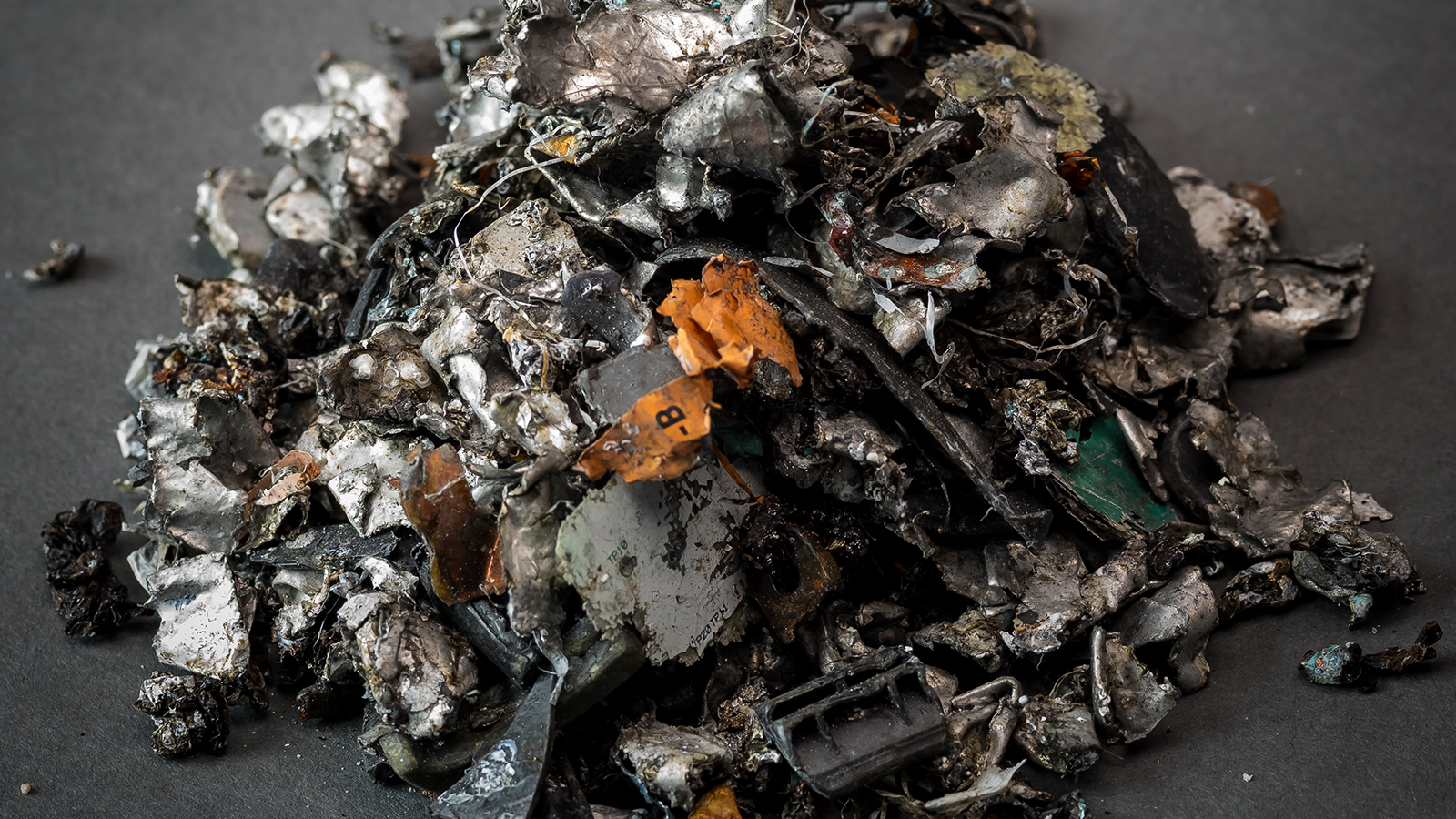
The need to recycle millions of pounds of vehicle batteries is on the horizon as the first generation of plug-in electric vehicles will soon reach the end of their useful lives. In addition, the huge number of consumer electronics device batteries and the use of energy storage on the grid will increase the need to recycle. The Department of Energy named Argonne as the lead for the ReCell Center focused on developing cost-effective processes to recycle advanced materials for batteries, including lithium ion.
Mining to Minerals
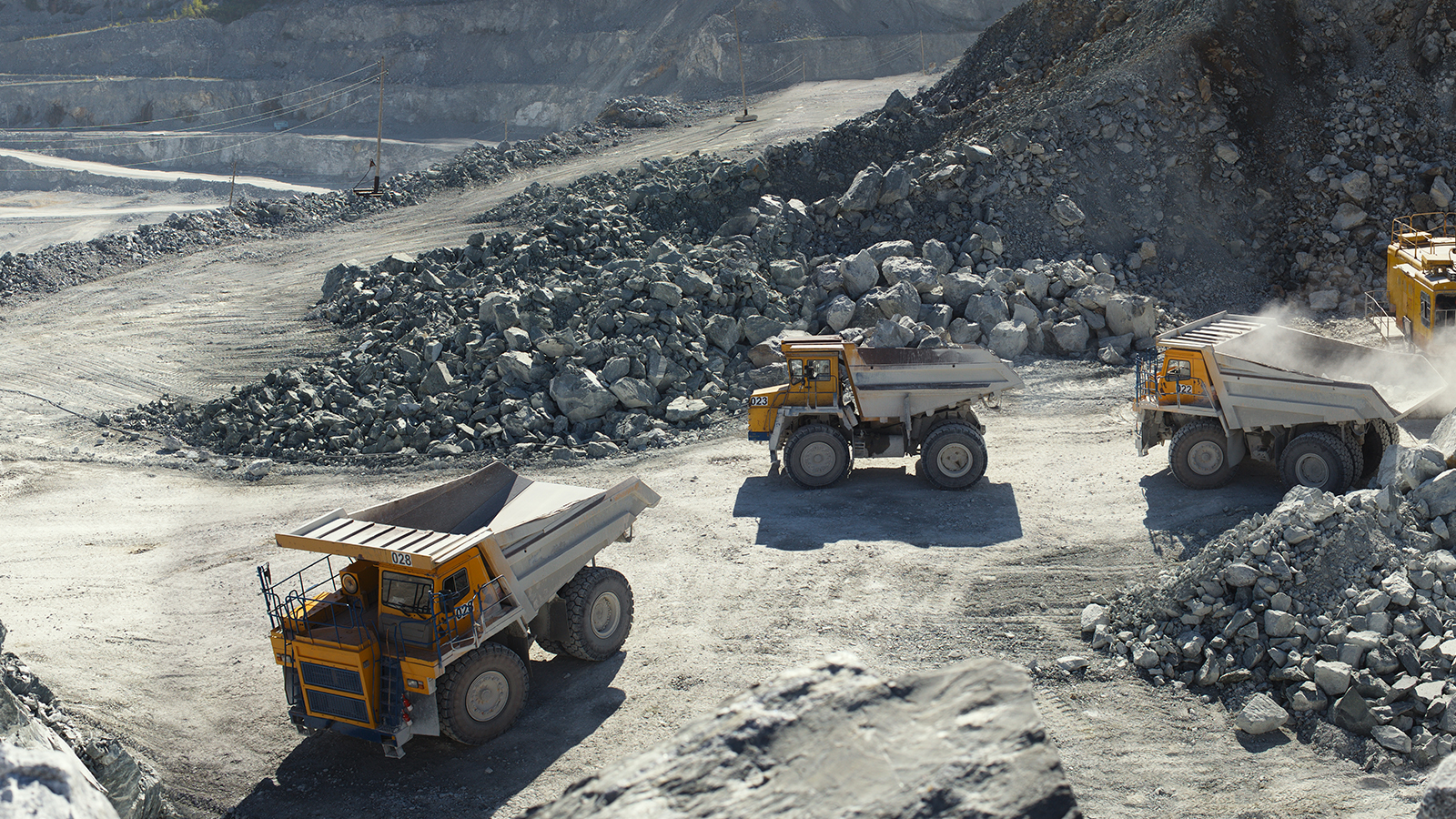
Argonne is working to address the urgent need to create a domestic supply chain for energy storage materials while creating both immediate and long-term domestic jobs. The U.S. does not currently produce, nor manufacture, much of our energy storage materials, and rely on other countries for these products. This has been likened to the vulnerability of the U.S. on oil supply in the past.
To address this need, Argonne is taking a holistic approach that is necessary to build up a domestic supply chain. This approach recognizes that both upstream and midstream processing, as well as recycling feedstocks, are needed to establish the complete system needed to realize a truly domestic-centric battery material supply chain. To do this, new technologies are being explored that provide opportunity to produce materials from our own resources. New technologies are also explored and tested here at Argonne that will convert those minerals into the materials that are needed to make batteries locally. Likewise, we are working to close the supply loop from domestically recycled batteries.
This effort is closely linked to the Materials Engineering Research Facility and the manufacturing initiative at Argonne. The MERF is a facility that optimizes and scales up new manufacturing processes which naturally lends itself to tackling the challenges and opportunities before us. The ReCell Center is also closely linked to the supply chain effort and remains in close collaboration.

System-Level Analysis
Argonne has also developed modeling tools that combine performance parameters with cost for various types of batteries aimed at high-energy applications such as transportation or the electric grid. These models can be used to quantify the cost reduction from R&D advances and help better focus future work. For example, Argonne’s EverBatt is an Excel-based model that evaluates cost and environmental impacts for the various lifecycle stages of a lithium-ion battery.