Mathematics and Computer Science
Sage MSRI-1: A Software-Defined Sensor Network
SAGESage MSRI-1 helped build a national research infrastructure of new sensors that support programmable edge computers and machine learning within an interconnected cyberinfrastructure, spanning multiple major science instruments
Sage MSRI-1 created an integrated and national research infrastructure that supported programmable edge computers and machine learning within an interconnected cyberinfrastructure, spanning multiple major science instruments. The Sage MSRI-1 project was active from 2019 to 2024.
Funded by the National Science Foundation at Northwestern University, Sage MSRI-1 was led by Northwestern and leveraged open-source hardware and software developed by the U.S. Department of Energy’s Argonne National Laboratory.
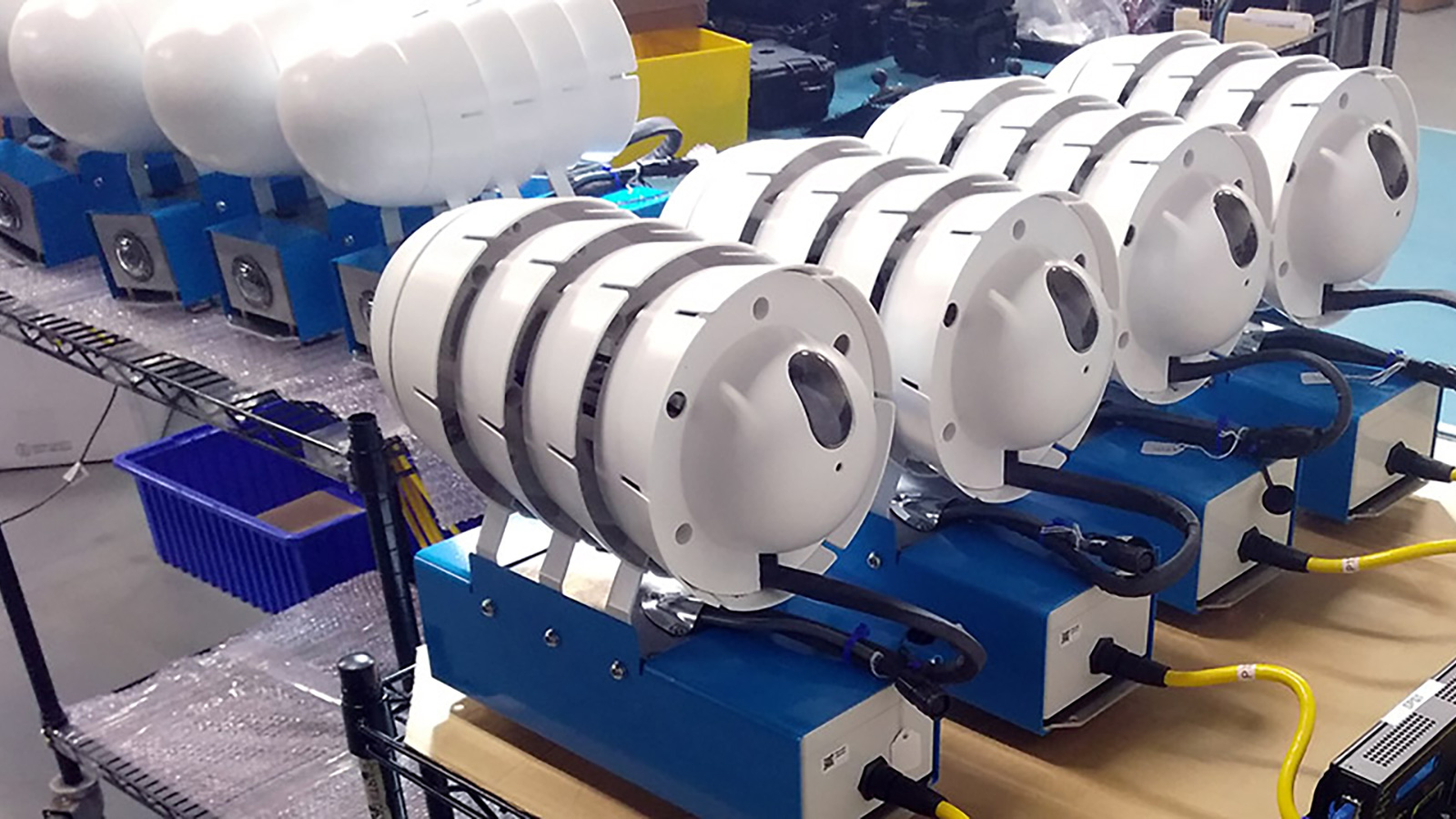
The Sage MSRI-1 geographically distributed sensor system included cameras, microphones, and weather stations that generated such large volumes of data that fast and efficient analysis was best performed by an embedded computer connected directly to the sensor. The project explored new techniques for applying machine learning algorithms to the data from sensors and then built reusable software that could run programs within the embedded computer and transmit the results over the network to central computer servers.
The software components developed by Sage MSRI-1 were open source and provided an architecture that enabled scientists from a wide range of fields to build their own intelligent sensor networks.
Novel Contributions of Sage MSRI-1
Sage MSRI-1 provided novel capabilities to explore complex, convergent research questions spanning natural and built environments, from neighborhood to continental scale:
- Adaptive instrumentation responded to local conditions and events, linking observations in real time.
- Research instrumentation improved and synergized sensing efforts with new flexible, interconnected resources.
- High-performance edge computing, coupled with advanced sensors, giving scientists software-defined sensors leveraging new machine learning algorithms at the edge.
- A cloud-based development setting for students and scientists to write edge-to-cloud software pipelines.
- A programmable infrastructure to test the limits and capabilities of machine learning and deep learning for future intelligent sensor designs.
- Replicable technology, policy, and processes for federated growth beyond the initial partner instruments.